The Unchanged Tradition Is Usually a Story We Tell
Understand how customs change by tracing who makes decisions, what participants do and how a practice is described across different settings.
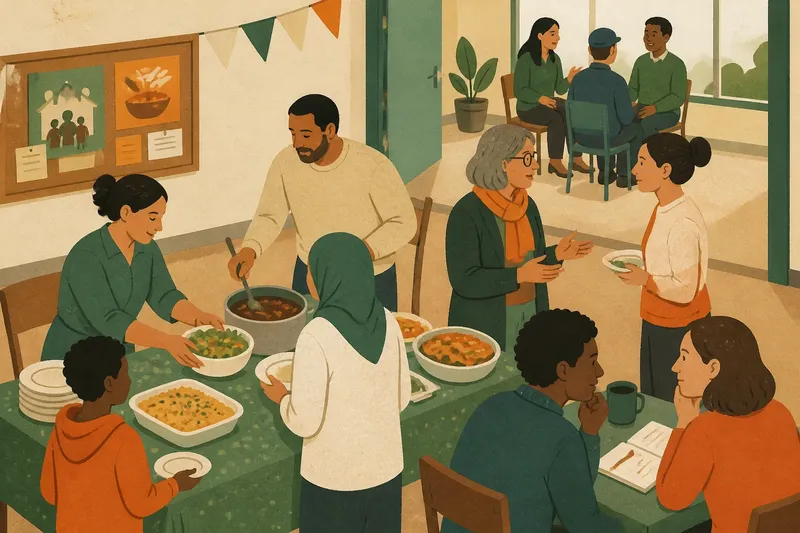
At a neighbourhood festival, one family sets out a familiar custom with paper plates; another uses the table their grandparents kept. The phrase “unchanged tradition” may fit how both families feel, but the setting and materials tell a more specific story. To understand a custom, look at who carries it out, what choices they make and how they explain those choices.
Customs can be described as unchanged to express affection, belonging or a wish to protect them. That description can also conceal who has adapted a practice or whose account is being heard. These seven ways of paying attention help you describe the actions and decisions without turning one person’s memory into everyone’s history.
1. What actions make up the custom?
A custom is rarely a single action. It may involve a sequence, a role, an object, a place and an intention. At a family gathering, for instance, the repeated practice might be welcoming newcomers, sharing a meal or marking a change in someone’s life.
Before calling the custom unchanged, describe what happens. Who takes part? What happens first, and what follows? Which parts can vary? Specific answers let you distinguish repeated actions from details that participants have adjusted.
2. Who does the work of keeping it going?
Customs continue because people teach, arrange, prepare and remind. That work may shift between generations or move from a community hall to someone’s home. A familiar event can depend on very different arrangements over time.
Imagine a local group that has held an annual welcome meal in a rented hall. When the hall is unavailable, members arrange the meal in several homes and ask guests to carry a shared dish between them. The expected observable result is that newcomers are still welcomed, though the locations and logistics have changed. The point is to describe the work and decisions involved, not to judge which venue is the proper one.
3. What details do participants say matter?
Ask participants which actions or objects they consider important, and why. One person may value a particular greeting; another may care most about making room for new guests. Their answers can differ without either account being dismissed.
Record the differences as people express them. Rather than deciding that one detail is essential for everyone, identify who holds each view and the setting they are describing.
4. How can you describe a custom clearly?
Why might someone call a custom unchanged?
The phrase can express pride, attachment or resistance to outside pressure. Ask what it means to the person using it before treating it as a literal account of every detail.
How should you describe a visible change?
Name what changed, such as the venue or the order of activities, and say who made the choice if that is known. Avoid describing the change as decline unless participants use that interpretation.
What should you do when accounts conflict?
Keep the accounts distinct and attribute them to the people who shared them. The disagreement may reflect different roles, memories or priorities rather than a simple factual error.
How can you avoid speaking for everyone?
Name the household, group or occasion you mean, rather than presenting one account as universal. If you do not know who agrees with it, say so plainly.
5. Which decisions shape the event?
Two gatherings can look alike while serving different purposes. Two very different events may still involve similar choices about welcoming guests or marking a transition. Notice who selected the date, invited people, chose the setting or changed the order; these decisions show how participants organise the custom now.
For example, an organiser may arrange a community event while attendees contribute songs. Describe those roles separately. Someone who brings a new song may be adding to the occasion, but only participants can explain what that choice means to them.
6. What can memory tell you—and what can it not?
People often remember the version they encountered as children. That memory matters as an account of personal experience, but it does not automatically represent every household or earlier period. One relative may remember a quiet observance at home, while another remembers a public gathering.
Ask what each person witnessed directly and mark uncertainty where it remains. This lets you include memory without turning it into a claim that everyone once followed the same practice.
7. How can you check your description before sharing it?
- Check whether you have named the specific group and occasion. If you have, keep that scope; if not, add it or state that you do not know which group the account represents.
- Check whether you have listed the actions in the order participants perform them. If you have, describe that sequence; if not, ask a participant about the order or leave it unspecified.
- Check whether a claimed change is directly observable, such as a new venue or a different greeting. If it is, name the difference; if not, present it as an account or interpretation rather than an observed fact.
- Check who made a decision, such as choosing the date or inviting guests. If you know, attribute the choice; if you do not, leave the decision-maker unnamed rather than guessing.
- Check whether you have attributed memories to the people who shared them. If you have, retain that attribution; if not, revise the wording so one person’s memory does not stand for the whole group.
- Check whether participants disagree about what matters. If they do, preserve the distinct views; if you have no basis for a wider claim, avoid presenting one view as shared by everyone.
Say you are writing about an invented neighbourhood welcome gathering. Your starting notes say that one organiser booked a community room, guests were invited by word of mouth, and two participants remember different greetings. First, describe the observed arrangement: the gathering took place in the room. Next, attribute the booking to the organiser rather than to the whole neighbourhood. Then record each participant’s memory separately, without choosing one as the original greeting. The resulting account can say that this particular gathering used the room and that participants remember the greeting differently; it cannot claim that every household follows the same version.
For clear writing about customs, the most useful account is specific about the people and occasion, careful about what is known, and open about who holds each view. When someone calls a custom unchanged, ask which actions they mean, who continues them and how they know. Those questions clarify the account without deciding on participants’ behalf what their practice should become.